If you’ve ever sat at a restaurant table and thought that you could cook a better dish than what you’ve just received, you might have been daydreaming about opening a restaurant. After all, don’t they say that if your work is your hobby, then you’ll never be bored? So, quite naturally, for someone who enjoys cooking and who is used to receive the compliments of their friends and relatives, owning a restaurant can seem like a natural progression. It’s the kind of things people say as praise when they’ve enjoyed the food: “Why don’t you open a restaurant?” And finally, after hearing the comment for so long, you’ve decided that maybe, owning your restaurant could be a valuable and enjoyable business life. After all, everybody likes your cooking, so it can’t be much harder to prepare delicious meals for your customers. So maybe it’s time to take the compliment seriously and to see if you’ve got what it takes to make your daydream come true.
Do you have a concept ready?
From a Michelin-star restaurant to a cozy bistro food, there are a variety of types and concepts in the catering industry. You can’t simply decide to open a restaurant if you don’t know what kind of food you want to cook, and, more importantly, what your target audience wants to eat. For instance, if you’re looking for a fast-food restaurant idea, you need to know that the most successful restaurants tend to be chains, which means that you’ll be opening a franchises restaurant and sticking to pre-made menus. But you can offer other quick options, such as a café or pub, or even a food truck, which allow you to choose your menu as long as it’s fast and easy to prepare as your customers will want to be served rapidly. Finally, if you want people to sit down and enjoy a meal together, you can offer casual style dining, aka family dining with table-side service. For adventurous and ambitious cooks, fine dining restaurants offer creative freedom and high-quality ingredients. However, you might need professional training to get started.
Where should it be?
The question of location is not just a matter of finding the best local at the best price. You need to consider carefully the kind of population you want to serve in your restaurant. Demographics are more important than ever when it comes down to finding the best address to attract your customers to your delicious cooking. You also need to pay attention to deep psychological elements, which refer to how your customers think. Ultimately you need to find a location that can match your demographics and psychographics. Additionally, the standard radius is around 10 to 20-min drive time, depending on the level of urbanization around you. In rural areas, people would be used to drive longer distances, while in big towns, everything needs to be immediately available and easy to access. So you need to factor convenience in pinning down the perfect address for your restaurant. Once you’ve settled down on a location, your work isn’t finished yet: You can maximize your location as part of your marketing strategy. Simple things such as putting your business on Google maps and localizing your content – ”best restaurant in [town district]” – can make a great deal of difference in attracting the right audience group.
What are the current trends?
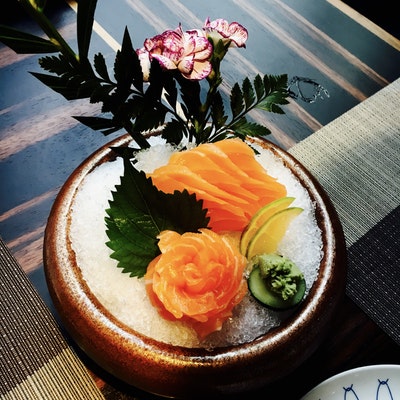
Like in all industry sectors, there are trends too in the world of restaurants. These trends can be helpful to gain popularity with a brand new restaurant so that you can get noticed easily and rapidly by the locals. 2018 is expected to see a progression in Asian-inspired foods with a union of sour, bitter and aromatic flavors across the menu.
. As it’s typical with the Asian market, you can expect to see more fish than meat in trendy restaurants. However, you also need to ensure that your ingredients are fresh and sustainably sourced – as these are also important selling points for your customers. If you choose to embrace the Asian flavors, you might want to read more about skinning machines here so that you can guarantee easy prepping times with fresh fish, for instance. Another winning trend is to offer free-from dishes for gluten, dairy, nut and soy allergies.
How can you finance it?
You’ll be pleased to know that opening a restaurant remains a sound option for investment, even in the current economic conditions. Indeed, even when business figures are sinking, customers still choose to have a meal outside, either as a treat or on the go, depending on the kind of restaurant you choose to open. In other words, it means that from a financing perspective, you’ll find that it’s easier to get the necessary investment for a restaurant than it is to open a business. Nevertheless, it doesn’t mean that the funding is available on request. You still need to present a convincing argument. As a general rule, you can apply for up to 70% of the value of your business, in terms of commercial mortgages, over up to 25 years. But you will need to present your business plan and prove that you can be trusted to run a restaurant.
How do you hone your skills?
Do you need training?
If you have the opportunity to start your training as a cook, you should join a school or offer to work as an apprentice in renowned cuisines so that you can hone your skills safely. As a general rule of the thumb, an apprenticeship can last up to 3 years and may get you from washing soil off the vegetables to designing exquisite dishes. However, joining a culinary school can be exênsive, and it may not be a valuable option if you’re considering an immediate career switch. But don’t despair. There are many professional chefs who have not been to a culinary school but have instead chosen to learn on the job. Thomas Keller, the chef who opened the French Laundry in Napa Valley and earned 3 Michelin stars has mastered his cooking skills by working in several kitchens across the world. Ina Garten, the Barefoot Contessa, used to be a nuclear policy analyst in the White House before she turned to cooking. In short, with patience and dedication, you can skip culinary school.
You need a strategic mind
It can be easy to forget that your restaurant is above all a business. What this means is that you need to prepare a business plan that will describe your business vision, present a sample of its offering and define your brand identity. Additionally, you also need to include your target market audience as well as your management structure in the plan. In other words, you need to approach a restaurant with the same strategic thinking as if it were a traditional office business. Ultimately, the purpose is to create a profitable enterprise, which means that you need to consider how you’re going to operate your restaurant, and how you want to secure your income.
You need a menu that excites your guests
As surprising as it might sound, securing your income doesn’t only refer to team management and locally sourced ingredients, but also to the way you write your menu. Namely, your menu is designed to inspire your guests and excite their taste buds. You don’t want a lifeless list of ingredients, but you want well-written dish descriptions that embody the personality of the restaurant without missing the essential information. Indeed, tempting menu descriptions can lead guests to come back for another tasting, or simply to order more items during one sitting. Additionally, keeping clear dish names means that your guests don’t feel like they have to read the description to know what’s on the menu.
What’s on the menu?
You need to create the right atmosphere for your customers
Ultimately, the menu ensures that your customers salivate at the thought of your delicious dishes. But it’s your atmosphere that will seal the deal. Great menus alone don’t suffice to keep customers coming back for more. You need to create the right ambiance for your restaurant concept and your target audience. With your restaurant concept, you need a creative theme that can emotionally connect your customers to your identity. Think of Ed’s diner, for instance, the casual family American diner focuses on creating a 50s vintage atmosphere, embracing the golden age of hamburgers and hotdog meals. Admittedly, the right decor can be ruined by a lack of hygiene and smiling staff, so keep it clean and friendly too!
Don’t forget your marketing strategy
Your restaurant is not just a nice place for a lovely meal with friends, it’s a business, and as such, it needs a marketing strategy to reach your target audience. Thankfully, the rise of #foodie pictures on Instagram makes it easier for restaurants to develop an effective social media presence. Additionally, you can use Twitter to deal with immediate customer queries, and Facebook to highlight your latest news and features. Finally, you can harness positive connections with influencers, such as food-enthusiastic bloggers or even parenting blogs looking for a family-friendly venue.
One question is left for you to answer: Are you ready to open your restaurant?

Leave a Reply