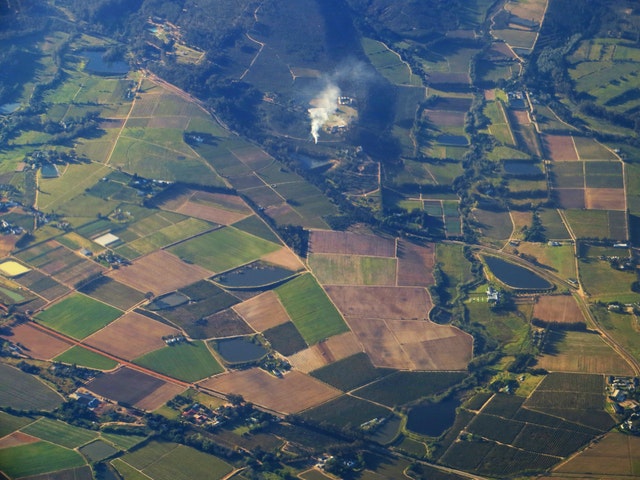
Investment in the land has always been a preserve of affluent individuals, wealthy farmers, and real estate development companies. Referred to as a long-term investment, buying land is one of the smartest and safest ways to invest your money. It’s a tangible asset that you can immediately put to use, and with proper management, you’ll soon realize what you can get from investing in land.
Land, as an asset, is an underutilized segment of the real estate sector that offers an array of investor options. By diversifying your land investments, you can safely weather market volatility. Keep reading as I elaborate shortly how you can increase your cash flow with extensive profit margins or long-term passive income.
Ways to Generate Income from Land Investment
While you can use land in any manner you want, some restrictions will dictate what you can and cannot do in an ideal world. It would help if you focus on the zoning regulations in place where you’re buying the land. Before moving forward in the investment, keep in mind your planned uses which can include;
- Residential land
- Multifamily land
- Commercial land
- Agricultural land
- Industrial land
There are ways in which you can invest in your land, aside from the buy, wait and sell scenario. To get the best possible outcome from your land investment, you must understand the critical possibilities, such as flipping your land, developing the land, buying and holding and various other options. While success isn’t guaranteed, there is a chance you can earn profit from one of these options. Furthermore, the biggest advantage of land investment is that you don’t need to think about bank loans or mortgages. Once you purchase an affordable land you’ll have a myriad of opportunities to make money from it.
Flipping Your Land
Like you can flip a house is the same application you’ll use when you’ve bought cheap land as an investment. With minimal effort or actions that increase its profitability, you’ll sell land at a profit within a shorter period. Such developmental endeavors may include clearing bushes, changes in zoning, permit applications, or subdivision of the land.
Developing the Land
You might have considered property development a typical strategy when considering what you can get from investing in land. However, this is a cost-consuming and time-efficient method since you’ll be developing everything from scratch.
Buy and Hold
When you’ve found low-cost land and you anticipate a higher future market value, you can buy and hold on to it. It could be that a future expressway, industrial park, or new airport is expected in the area, and your land will be accessible and more valuable to develop. In the meantime, you’ll be paying property taxes and other maintenance costs as you bid your time.
Buy and Lease
You can buy land as an investment to lease it out for monthly passive income. If there are upkeep, rates, or mortgage payments, renting out parts or all of your land can cover them while maintaining ownership. All that’s needed is either you act as a landlord or hand over the land to a property manager who takes a commission from rental income.
Buy and Finance
Usually, and especially in agricultural land, an existing owner can act as a financier for the buyer. Owner financing lets an investor use the land while they pay your asking price in installments. You’ll receive a down payment and interest while establishing a passive income stream as a way to recoup your land investment.
What Are the Advantages of Investing In Land?
Investors can, in most cases, gain entry into a land investment without much red tape or an overall large amount of cash. There’s also no time involved in qualifying for financing as typically, there are no land loans. But unlike buying buildings or other rental property, there’s no ready income to generate from land.
One common goal of owning land is to eventually sell it for a profit when the market is right. It might not be an exciting prospect, waiting for the right time to flip a couple of acres, but there are benefits to this investment. Some of what you can get from investing in land includes;
A Lower Buying Price
Investing in land is more accessible if you don’t have enough money for other forms of assets. Land is cheaper to buy when compared to developed real estate, and you can make the most out of a meager initial investment.
High Return on Investment
You will get the bang for your buck when you invest in land as it’s cheaper to purchase, maintain and lower rates and taxes are required. Whether your investment strategy includes selling, financing, or letting it out, you’ll see high returns.
A Limited Resource
You should invest in land as it’s a limited resource that’s always going to be in demand, and as such, valuable. There’s no more land being made, but you can develop structures that will accommodate a growing population with vacant lots.
Low Buyer Competition
Despite being a limited resource, there aren’t many buyers or demand hikes that see prices soar. Many investors are concerned with built-up real estate, and as a result, you’ll find great deals to maximize your investment.
Conclusion
Land can be a lucrative investment, but one that needs you to go in with your eyes wide open. If, for instance, you are buying raw or vacant land, ask yourself why or if there are issues with it. Visit the property and acclimatize yourself with zoning limitations or any environmental concerns. Check to see that your land has access to utility hookups and doesn’t sit on a floodplain or earthquake fault line.
