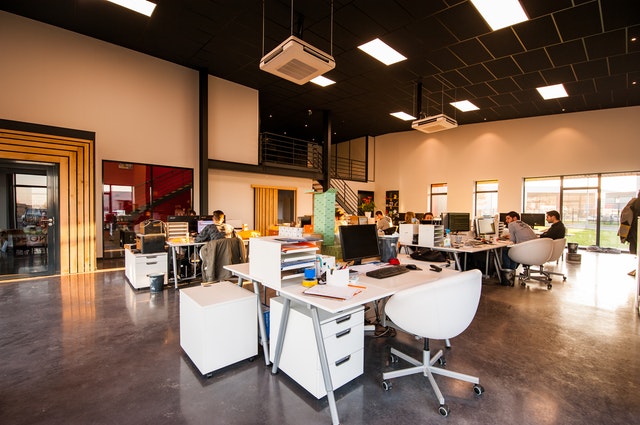
The truth of the matter is, disorganization and clutter in workspaces can cause costly, time-consuming, and inefficient ways to carry out job responsibilities. It burns resources by being less productive and wastes time rearranging and looking for stuff. Furthermore, a relatively tidy and orderly office space paves the way for tip-top shape mental health, promoting focus and clarity. This article will help dive deeply into keeping the office space organized to elevate productivity, increase focus, and improve efficient work processes.
- Declutter, Marie Kondo style
The famous Japanese interior designer pioneered decluttering by getting rid of items that do not spark joy. It is an effective way to assess each item in your workspace and identify those worthy of keeping and discarding. First, empty, shred, and throw away. Then, carefully sort through the rubble of the things you have not used in the past 30 days and categorize them for easy reference. Stuff for discarding can be sent to a recycling facility, post for sale, and repair.
- Gather and back to home base
For the remaining knick-knacks and office supplies, gather them up and place them back where they belong.
- Determine work zones
Establish work areas by determining the activity that happens per section. The main areas will be the desk; the supply area can be drawers and closets; the reference area will be the filing system and shelves. Place equipment, furniture, and supplies in the appropriate location, near each other; they will be utilized more.
- Define frequently used items and corresponding areas
Frequently used supplies and equipment must be within the user’s reach to achieve optimum workflows and processes. Rarely used materials should be stored or discarded.
- Label
Set aside the time to label everything for easy reference, especially shelves, files, drawers, and storage boxes. Labeling is a quick reference guide on where items should be; helpful to the user and other people.
- Create an efficient filing system
With the advent of technological advances, we have slowly transitioned to paperless by storing documents and files through the cloud system. With this, delete duplicate files, create folders, and regularly do back-ups for all your salient documents.
- Integrate minimalism
Clear off your desk and only put back the items that are for daily use. As much as possible, the desk should be empty for improved focus and clarity.
- Organize desktop files
For items left at the desktop table, organize further by placing them on containers and trays. On top of that, desktop computer files must also be streamlined by decluttering and clearing them out every day.
- Clear out and organize drawers
Place less frequently utilized items on shelves and drawers. In addition, set aside personal belongings by dedicating a drawer for it.
- Discard the unnecessary
Veer away from piles of paper by sorting them out and clearing them away. In addition, for workers you frequently collaborate with, designate an inbox for swift communication.
- Sort out emails
Sort out emails in one go and free up memory space by discarding emails not worthy to archive anymore.
- Maintain and repeat
Organization and decluttering are ongoing processes that promote healthy well-being. Make sure that the workspace, especially your desk, is ergonomically sound. Eye-level must be an arm’s length away from the computer screen and 20 degrees below eye level. In this way, we prevent eye strain and fatigue that may lead to dry eyes and inflammation. Make sure to keep Eysuvis nearby for quick relief from dry eyes.
Wrap up
Quickly straighten your desk and workspace at the end of the business day for a good head start the following day. Arranging the workspace is an ongoing and spontaneous process. Ultimately, these tips can help you increase productivity and instantly boost your mood.
